Women’s Knitwear Trends 2026: What Fashion Brands Are Looking For
Across the brands we work with, one thing is consistent going into 2026: knitwear is no longer a seasonal add-on. Buyers are treating sweaters and cardigans as core merchandise that has to earn its place in the line all year round. In this post we summarise the women’s knitwear trends we see shaping 2026 development, and what they mean if you are planning your next production run.
1. Tactile textures over flat surfaces
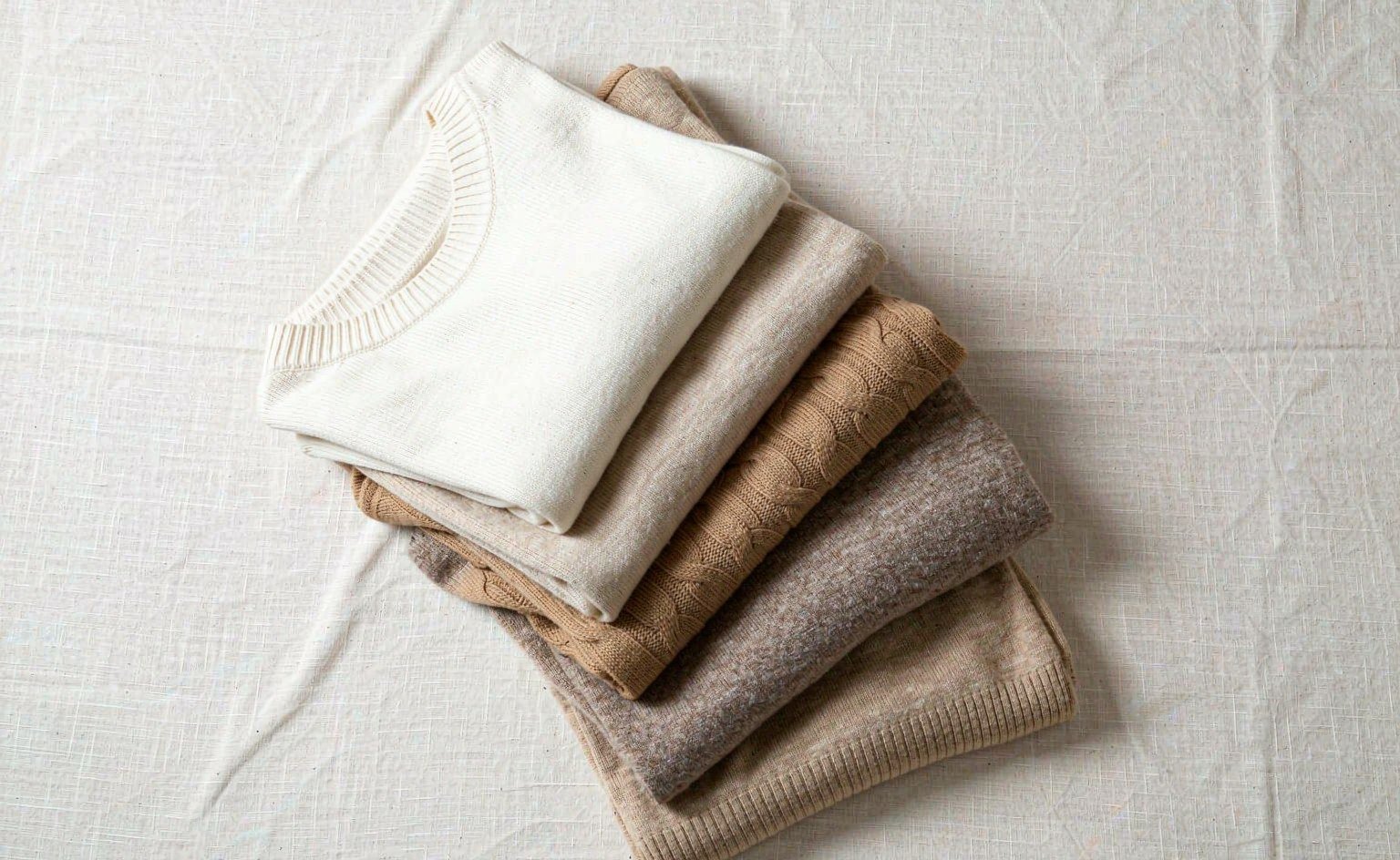
The clearest trend in enquiries is texture. Brands are moving away from plain, flat-faced knits toward surfaces you can feel at arm’s length: chunky cable mixes, rib structures, pointelle details, bobble and popcorn stitches, and engineered combinations of stitch types within one garment. Texture lets a simple silhouette photograph beautifully and justifies a higher retail price without adding complex trims.
For buyers, this has a practical implication: stitch selection now matters as much as silhouette. When you brief a manufacturer, it helps to name the stitch families you want – or ask the factory to propose alternatives within your gauge range.
2. Relaxed, layering-friendly silhouettes
Oversized and relaxed fits continue to dominate enquiry sheets, but 2026 samples are becoming more considered: slightly cropped boxy cardigans, longline cardigans meant to be worn as light outerwear, and sweaters with deliberate ease that still hold their shape after washing. Fit stability is the quiet requirement behind this trend – an oversized shape only works commercially if the knit recovers well, which puts yarn quality and finishing discipline at the centre of development. For layering-led ranges, our sweater vests and knit sets pages show how these relaxed fits translate into specific custom categories.
3. Neutral, natural palettes with one accent
Cream, oatmeal, camel, taupe and soft brown remain the backbone of 2026 knitwear programmes. The shift we notice in new enquiries is how brands use colour: large neutral bodies with a single accent tone per style, or tonal knits-on-knits where the texture – not the colour – creates the visual interest. This palette discipline also suits small-batch production, because neutral colourways are easier to extend across sizes and restock.
4. Gauge mixing within one collection
Instead of committing to one weight, brands increasingly build collections that mix gauges: finer knits for trans-seasonal pieces, heavier knits for high-winter statements. If you are unsure which gauge suits which style, our guide to how to pick the right knitwear gauge and the comparison of 7G vs 12G vs 14G knitwear break down the practical differences for buyers.
5. Smaller first runs, faster reorders
Perhaps the most structural trend is how brands buy. More fashion labels now start new styles with a low MOQ trial run, test sell-through, then scale the winners. This changes what brands should expect from a manufacturing partner: clear communication about minimums, honest lead-time expectations, and a sampling process that can move quickly. Our knitwear MOQ guide explains how minimums are typically calculated – in our case, from 100–300 pcs per style, confirmed case by case on confirmed custom orders.
6. Private label development as standard
Finally, more brands arrive with their own labels, trims and packaging specifications and expect the factory to integrate them – rather than choosing from a catalogue. If you are deciding how much control you need over design, our comparison of OEM, ODM and private label knitwear sets out the options, and our private label guide walks through the labelling and branding details worth specifying early.
From high-neck winter statements to fine-gauge trans-seasonal knits, you can also browse our category pages for turtlenecks, crew necks and knit dresses to see how each trend applies to specific product types.
What this means for your 2026 line
None of these trends require a bigger budget – they require clearer briefs and a manufacturing partner who can develop samples in the right gauge, yarn and stitch structure. If you are planning 2026 knitwear development, you can request a quotation with your tech pack or even a rough concept, and our team will come back with practical feedback on styles, gauges and minimums.